


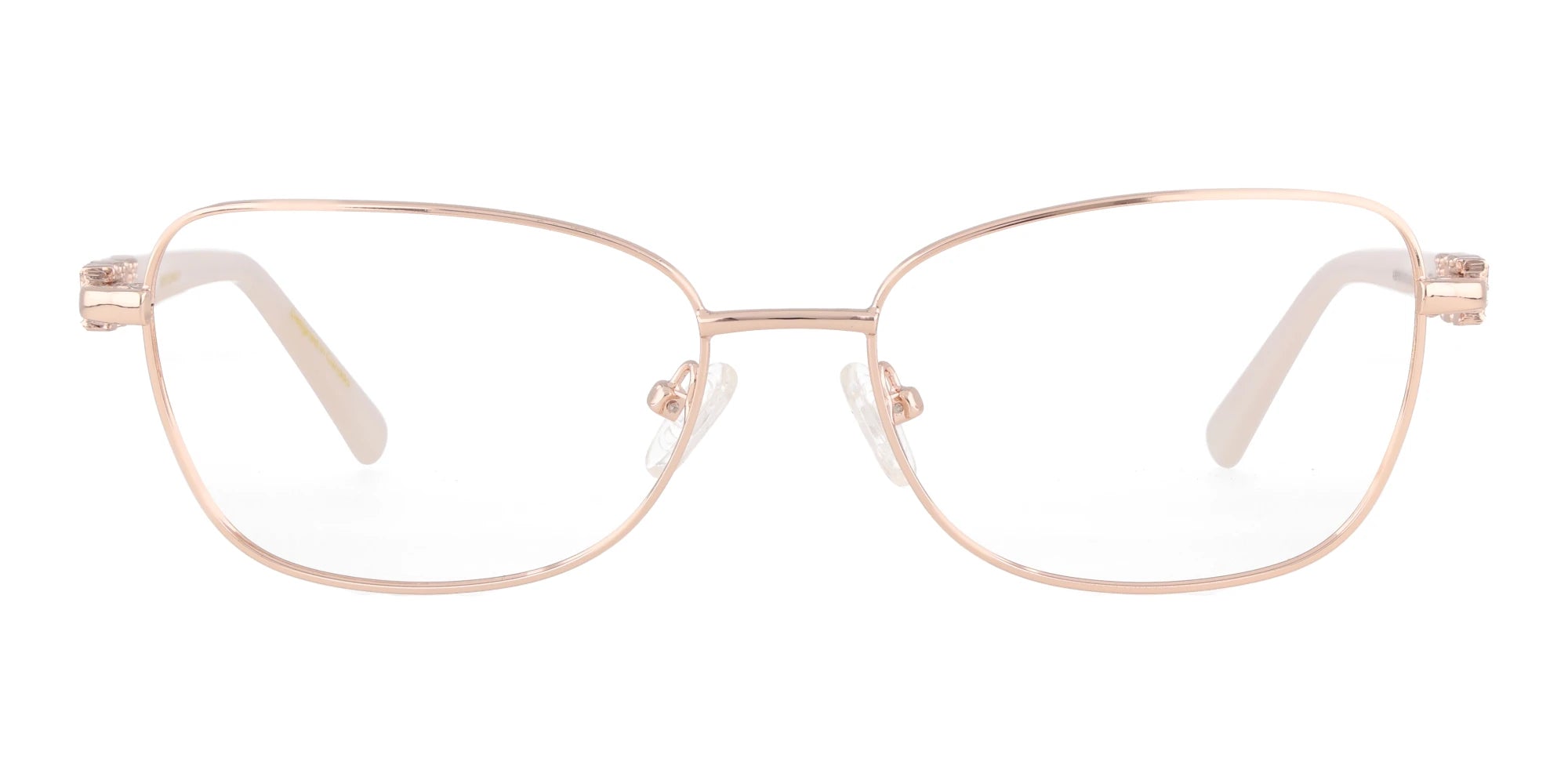
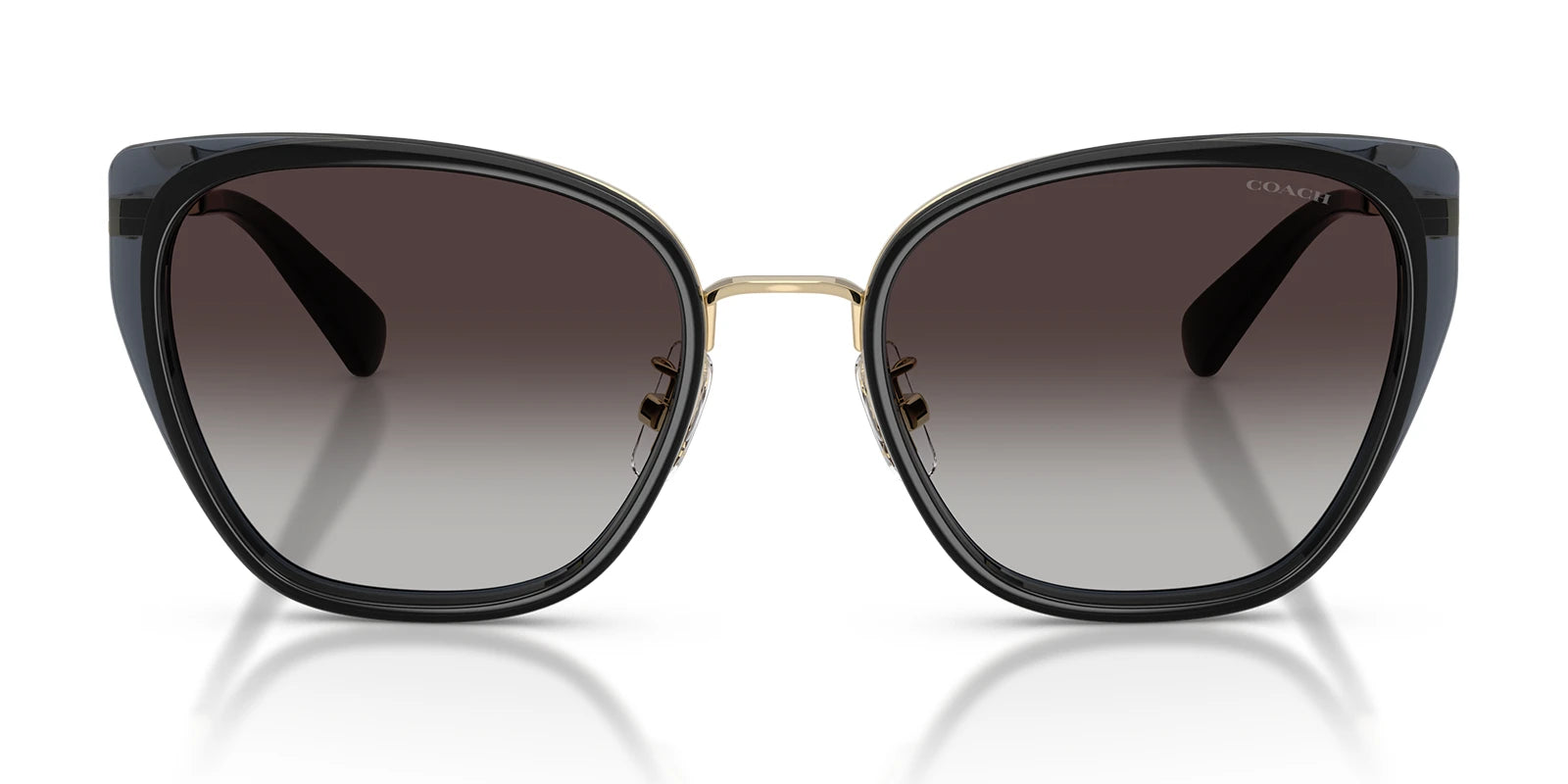
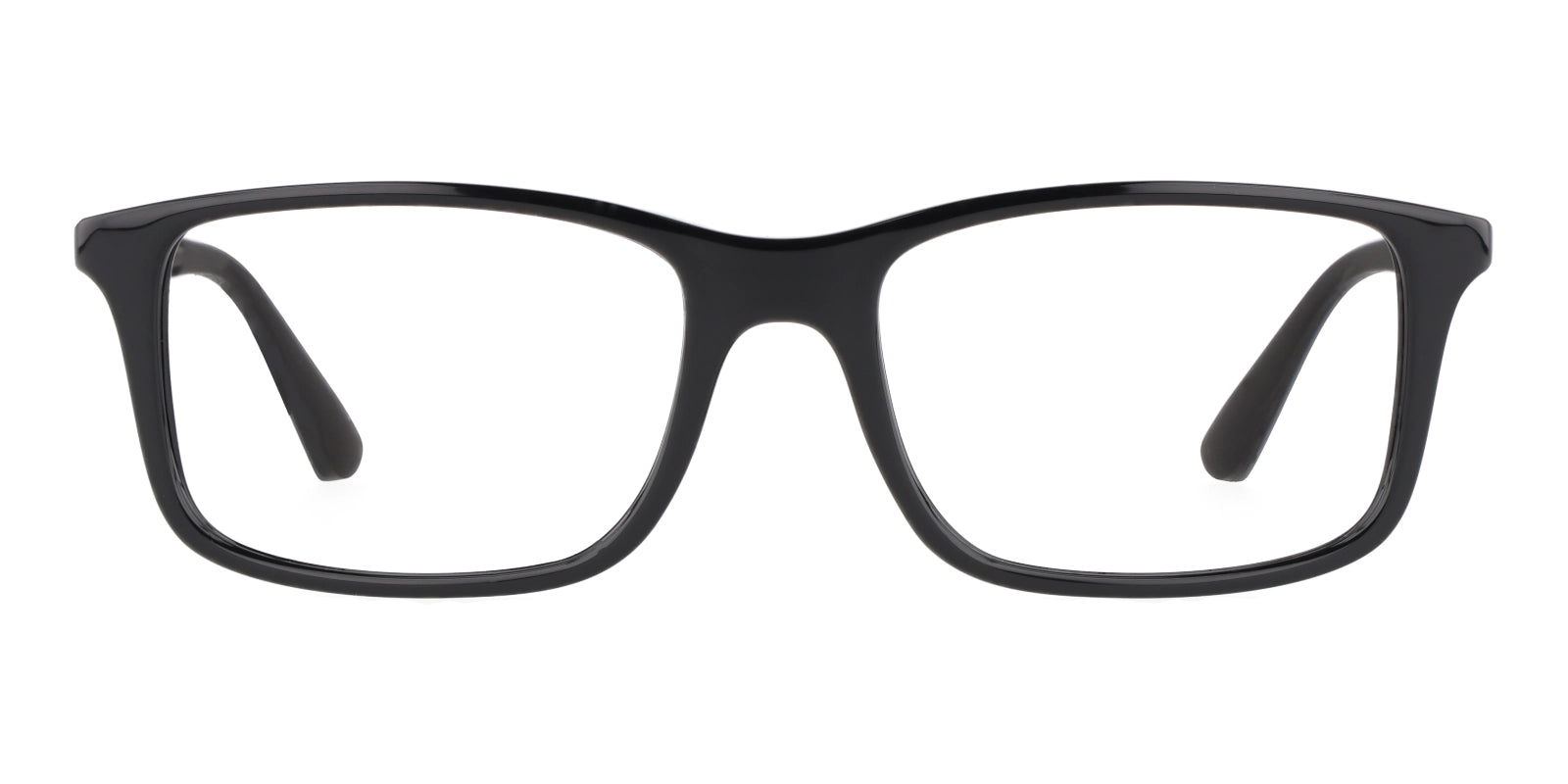


Every prescription shows the power needed, yet it never explains which lens design carries it. That choice between single vision, bifocal and progressive lenses decides how comfortably the eyes switch between near, mid and far.
This comparison covers how each design works, who it suits, what adapting feels like, and the fitting and cost details most guides skip, so the pick matches daily activities rather than guesswork at the counter.
Progressive vs. Single Vision vs. Bifocal Lenses- Key Differences
Each lens type solves the same problem: eyes need different correction zones for far away, up close and in between. The difference lies in how many zones sit inside one lens, and how they connect.
Single vision holds one focal point for a single distance. Bifocals correct two distinct distances split by a visible line, while progressives offer a full range of distances with continuous vision and no line whatsoever.
Single Vision Lenses- Benefits, Uses, and Limitations
Single vision remains the most widely worn design, and for good reason. It suits a surprisingly wide group of people, though its one-distance nature creates real limits once near focus starts to slip with age.
Ideal Wearers
With one consistent prescription across the entire lens, they correct myopia, hyperopia or astigmatism. Wearers under 40 usually benefit most, alongside anyone wanting dedicated reading glasses, driving glasses or computer glasses with zero lateral distortions.
Limitations
Lower cost and immediate and natural vision come with one catch: the lens covers one distance. Once presbyopia arrives, wearers juggle multiple pairs of glasses and repeatedly take them off and put them back on.
Bifocal Lenses- How They Work, Benefits, and Drawbacks
Bifocals pack two distinct optical zones into one lens: an upper part for distance vision and a lower segment for close-up tasks. They answer the age-related loss of near focus that begins in the 40s.
The segment line can feel distracting, intermediate vision for a computer monitor or car dashboard stays blurry, and many wearers notice an image jump that needs head-tilting. Explore bifocal lens options for budget-friendly two-zone correction.
Progressive Lenses- Benefits, Vision Zones, and Adaptation
Progressives, also called no-line bifocals or varifocals, are the most advanced design of the three. They deliver clearer vision at every distance, but they ask for a little patience and very precise fitting in return.
The Visual Corridor
Graduated power runs down the lens, forming a visual corridor: distance at the top, intermediate in the middle, reading at the bottom. The gradual transition mimics natural focusing ability, avoiding the visual jump of bifocals.
Adapting Quickly
Most wearers settle within a few days, though some need a couple of weeks. Small distortions in the lateral zones appear while walking or rapid movements; pointing the nose, not just the eyes, toward targets helps.
Cost and Fitting Of Progressive vs. Bifocal vs. Single Vision
Progressives demand precise measurements and proper fitting; even small errors cause discomfort, headaches or dizziness. Accurate pupillary distance and fitting height matter, so this PD measuring guide is worth checking carefully before ordering progressives online.
Frame depth matters, because shallow lenses crop the reading zone; the frame size and fit guide helps. On price, single vision has the lowest cost, bifocals sit at moderate, and progressives carry a higher price.
Matching Each Lens Type to Real Daily Routines
Instead of chasing an absolute best lens, the smarter move is matching design to visual habits. Two common routines show how quickly the right answer changes once real working days and weekends are considered honestly.
Screen-Heavy Workdays
Office workers multitasking between laptop, phone and meetings usually do best in progressive lenses. Some add a pair of occupational lenses for long stretches of computer work, because standard progressives keep the intermediate zone narrow.
Drivers and Readers
Frequent drivers who glance at dashboards appreciate progressives, while someone mainly reading, sewing or doing precision work may prefer single vision lenses for pure sharpness. Bifocals still suit very specific needs with few screens involved.
Picking the Lens That Keeps Every Distance Sharp
Single vision wins on simplicity and price, bifocals on straightforward two-zone value, and progressives on smooth, line-free coverage of every range. None is universally better; each one fits a slightly different pattern of everyday seeing.
Start with an up-to-date eye examination, list the distances used most each day, then weigh budget and compare frames and lens options side by side. That simple approach usually reveals the right design within minutes.
FAQS
Do Bifocals Suit Younger Wearers?
They are prescribed for age-related presbyopia, but the call rests on vision, not age alone. Some children with focusing-related eye turns wear bifocals too, so an eye examination guides the recommendation rather than a birthday.
Are Progressives Hard to Adapt To?
Not usually. Early lateral distortions or slight instability fade naturally during the adaptation period. Finding a comfortable reading posture and choosing a quality design with a wider visual corridor both shorten that learning phase considerably.
Can Computer Glasses Replace Progressives?
For desk-bound days, yes. Single vision lenses set for computer-distance viewing give a wide, relaxed screen view. They will not handle driving or distance vision, so they work alongside progressives depending on the daily routine.