


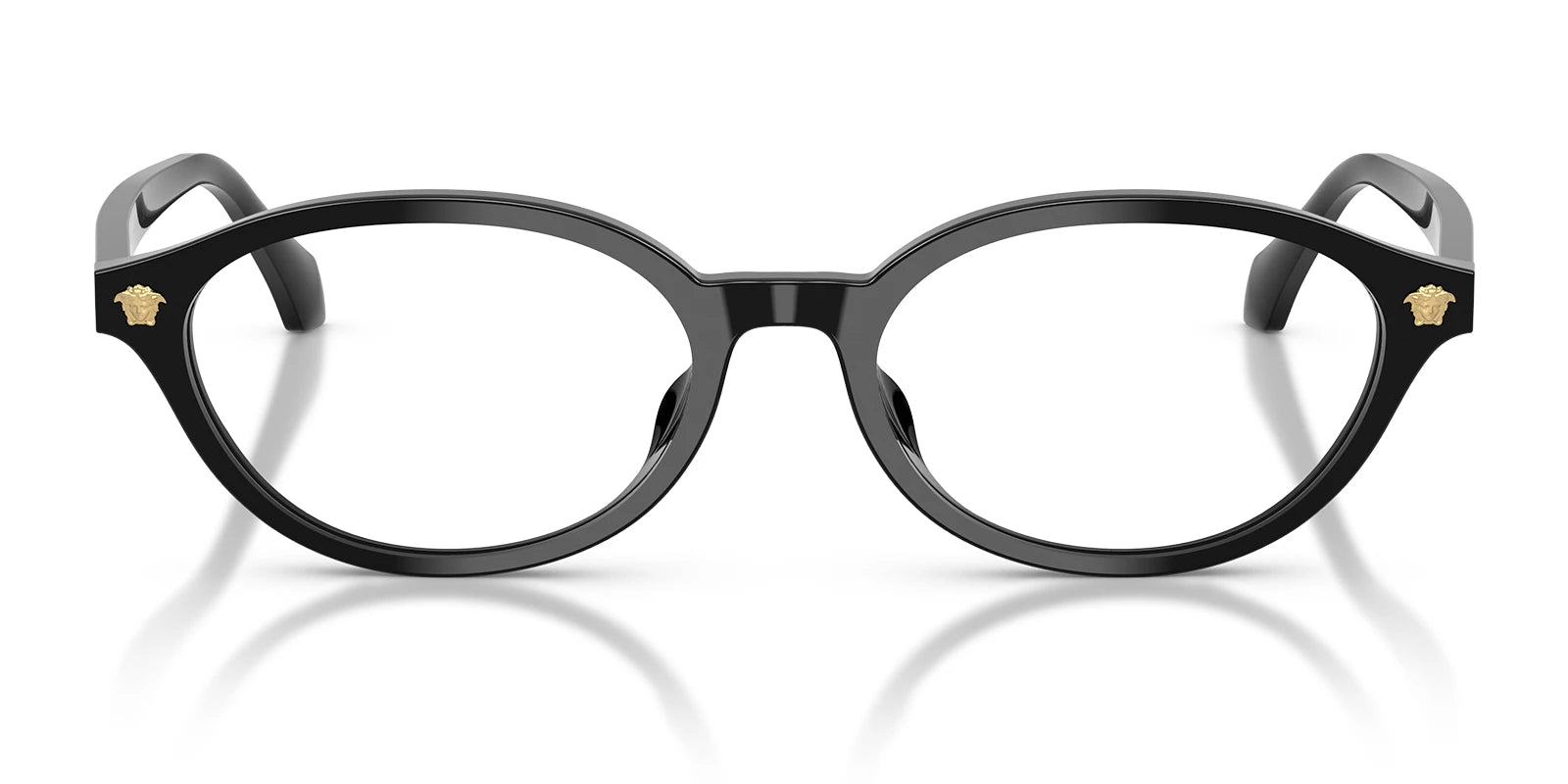
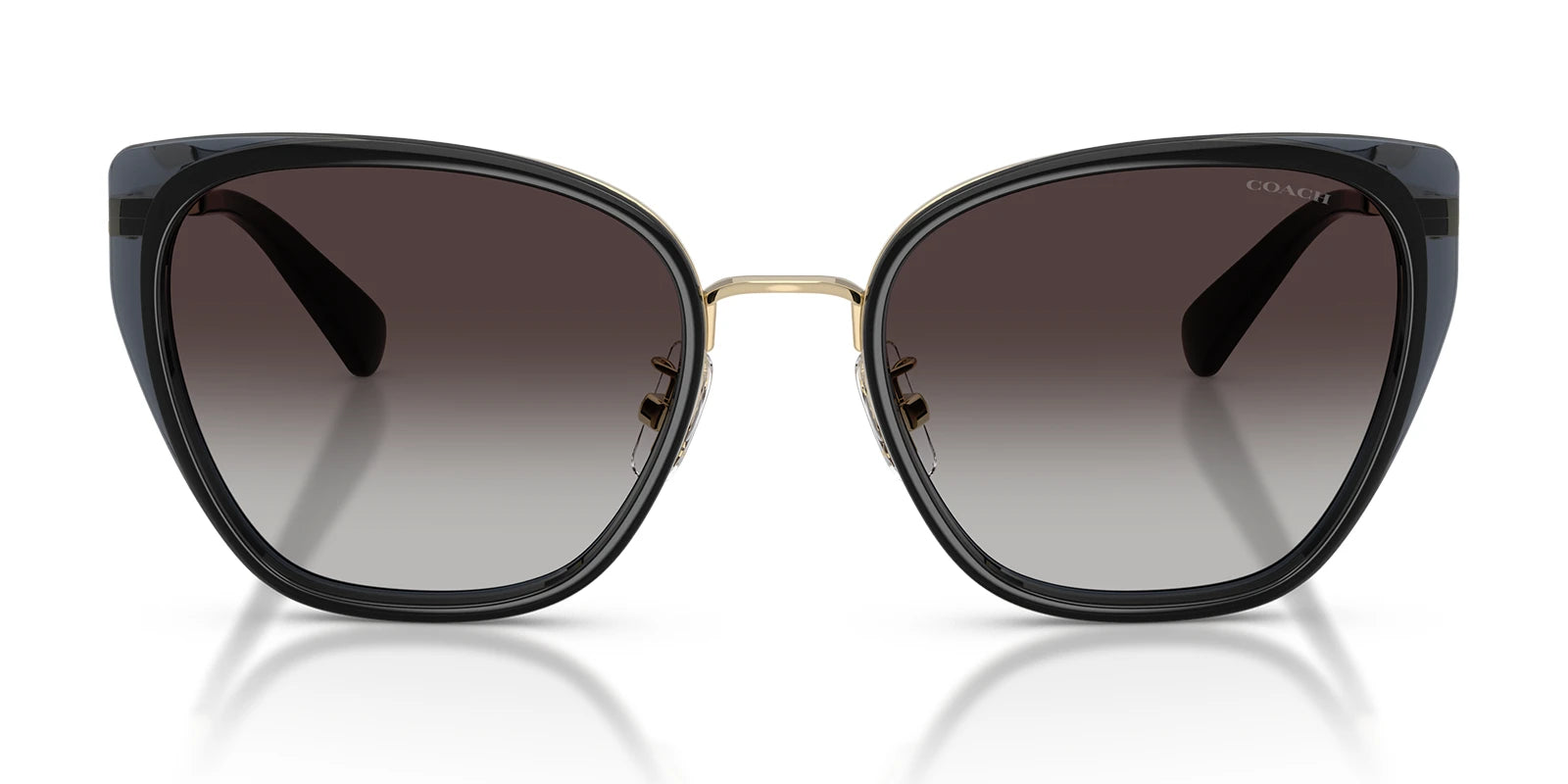
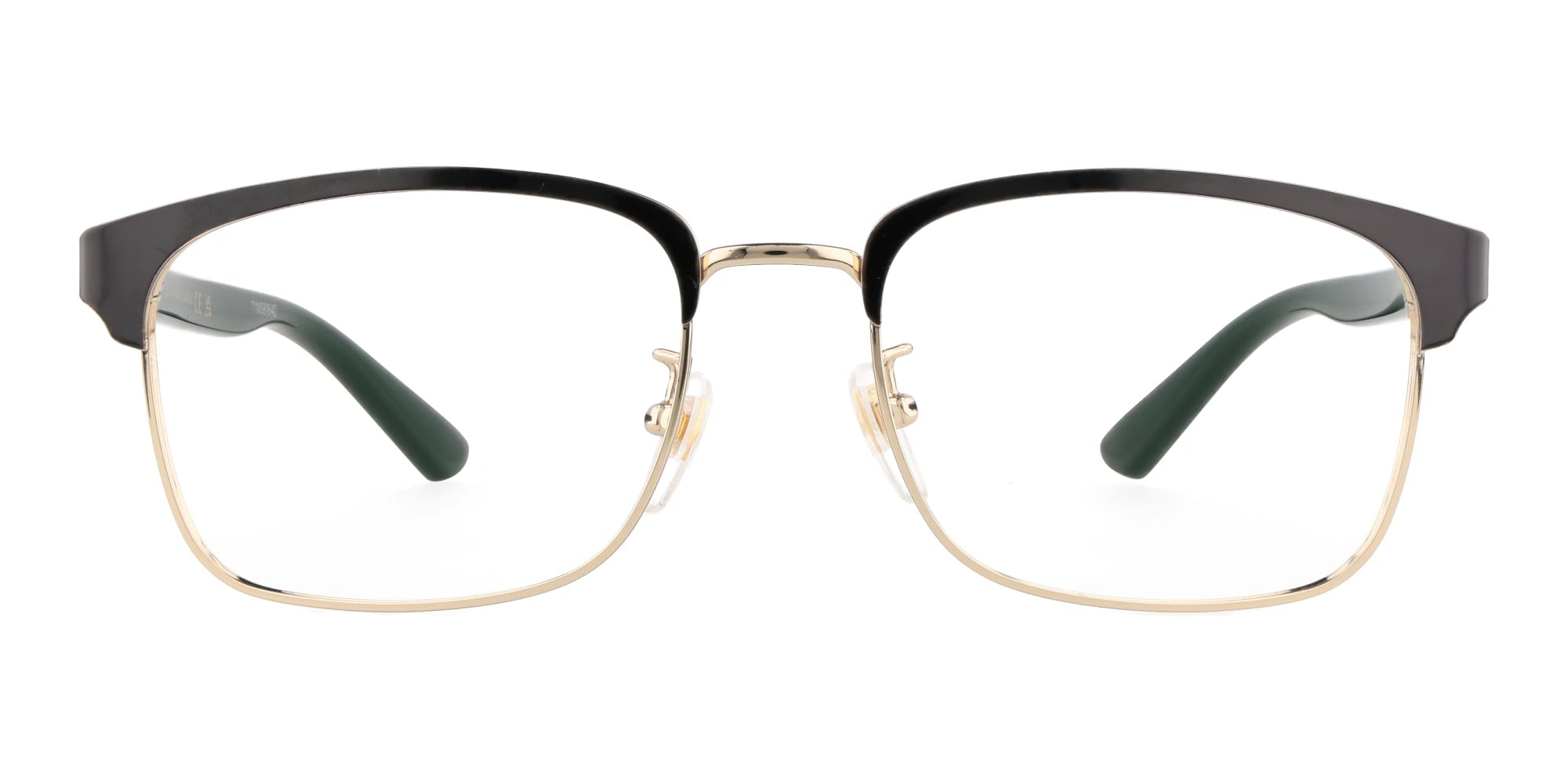
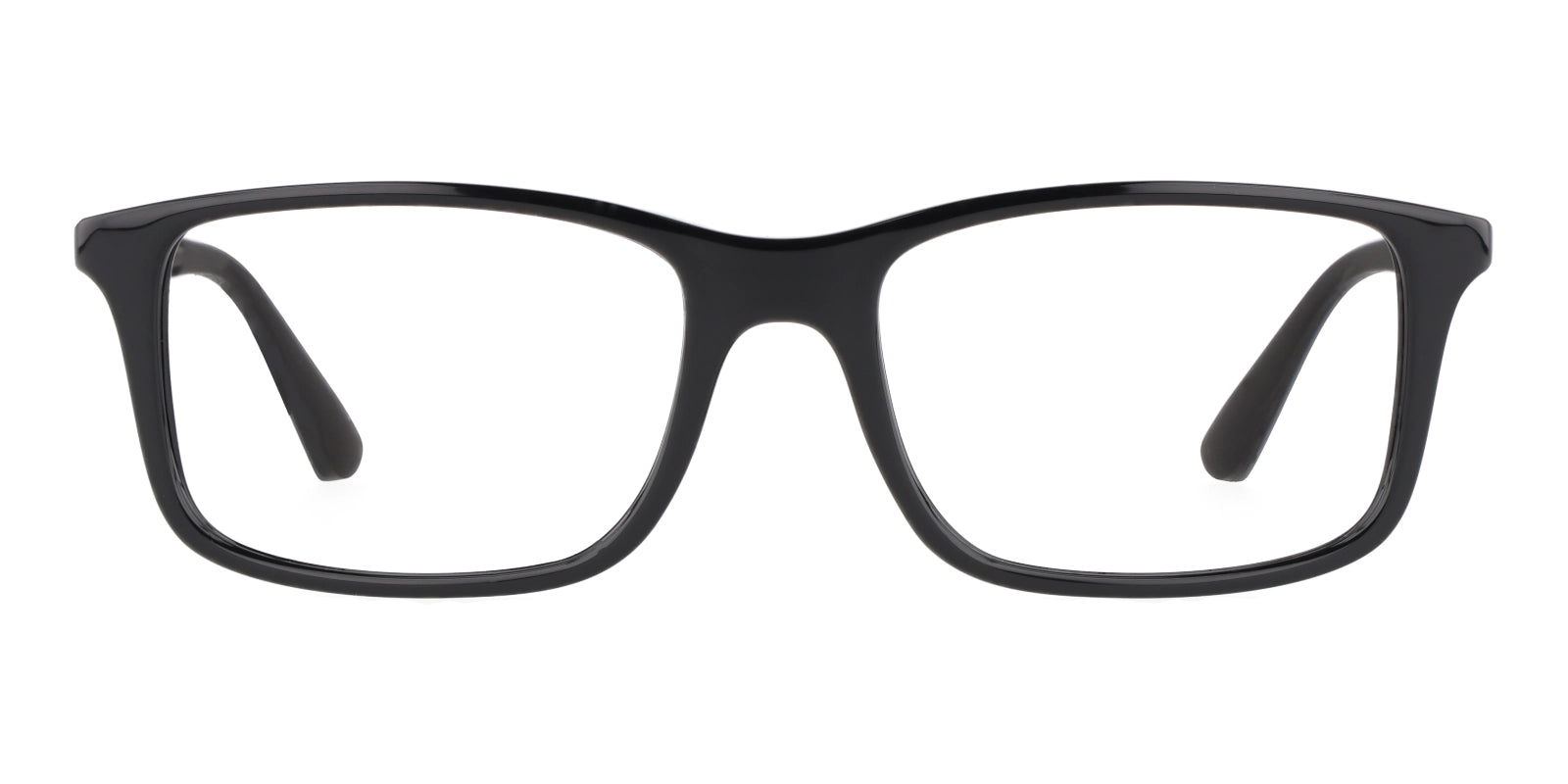


Frame Size & Fit Guide: Finding Your Perfect Eyewear Match
Ever bought glasses online only to find they slide down your nose constantly? Or maybe they pinch behind your ears and give you headaches after just an hour? You're not alone. The problem isn't the glasses themselves - it's choosing the wrong size.
Fitting frames can ruin your vision, cause discomfort, and even make you look less confident. But here's the good news: finding the perfect frame size is actually simple once you know what to look for. Ready to discover how three little numbers can transform your eyewear experience forever?
Step 1: Start with Frame Width
Your frame width is the foundation of finding glasses that fit perfectly, and there are two simple ways to determine your size.Frame sizes are based on the frame front width, measured in millimeters from hinge to hinge. This single measurement tells you whether you need extra-small, small, medium, large, or extra-large frames.
Measure Your Current Pair
Grab a ruler and measure horizontally across the front of your current frames. Start at one hinge and go straight across to the other hinge. This gives you the total frame width.
Use the Size Chart
Once you have your measurement, compare it to this standard sizing chart:
| Frame Size | Width (mm) | Width (inches) |
|---|---|---|
| Extra-Small | 110-118 | 4.3-4.6 |
| Small | 119-125 | 4.7-4.9 |
| Medium | 126-132 | 5.0-5.2 |
| Large | 133-140 | 5.2-5.5 |
| Extra-Large | 141+ | 5.5+ |
Most adults wear medium or large frames. About 60% choose medium, 25% need large, and 15% prefer small sizes.
Step 2: Understand Frame Measurements
Now that you know your frame width category, let's decode the three numbers printed inside your temple arms. Look inside the temple arm of your glasses. You'll see numbers like 52-18-140. These measurements are in millimeters and tell you everything about frame dimensions.
Lens Width
The first number (52) shows how wide each lens is from side to side. Adult lenses typically range from 40mm to 60mm. A 50mm lens is small, 54mm is medium, and 55mm+ is large.
Bridge Width
The middle number (18) measures the space between your lenses where frames rest on your nose. Bridges range from 14mm to 24mm. Narrow noses need 16-18mm, while wider bridges require 20-22mm.
Temple Length
The last number (140) measures your temple arms from hinge to tip. Most adults wear temple lengths between 135mm and 150mm. The temples should rest comfortably along your head and behind your ears.
Step 3: Shop by Specialty Fit
Not everyone fits standard sizes perfectly, which is why specialty fit options exist for unique facial features and needs.
Narrow Fit Frames
These frames have shorter frame widths (under 125mm) and shorter temple arms (130-135mm). They're designed for people with petite faces, close-set features, or smaller head sizes. Without a narrow fit, standard frames feel too wide and loose.
Extended Fit Frames
Extended fit offers wider frames (138-145mm+) with longer temples (145-155mm). If you have a larger head, wider-set eyes, or broader features, an extended fit prevents temple squeezing and pressure headaches.
Kids' Glasses
Children need frames built for their smaller faces and active lifestyles. Kids' sizes are categorized by age: toddler frames (90-106mm for ages 1-3), youth frames (107-112mm for ages 4-7), pre-teen (113-118mm for ages 8-12), and teen sizes (119-150mm for ages 13-18).
Step 4: Find Your Comfort Zone
Frame size matters, but comfort features make the difference between glasses you tolerate and glasses you forget you're wearing.
Lightweight Materials
Heavy glasses cause nose fatigue and ear pain. Titanium frames weigh just 15-20 grams - 40% lighter than regular metal. TR90 plastic weighs even less at 10-15 grams and is practically indestructible. After 8+ hours of wear, every gram counts.
Universal Bridge Fit
This special nose bridge design fits most faces, including those with low nose bridges. The bridge sits higher on the frame with built-in flares that keep glasses lifted. Your frames won't slide down or touch your cheeks. Universal fit solves fitting problems for about 85% of people who struggle with standard bridges.
Adjustable Nose Pads
Silicone nose pads can be moved and angled to match your unique nose shape. They're essential for people with narrow noses or low bridges. The pads distribute weight evenly and prevent glasses from sliding down constantly.
Spring Hinges
Spring-loaded hinges let temples flex outward 5-10mm beyond the normal angle. This flexibility fits wider heads comfortably, prevents frame damage, and adds years to frame life. They're perfect for kids who handle glasses roughly and adults who need extra durability.
Step 5: Match Frames to Your Face Shape
Your facial structure guides which frame shapes will look most flattering and create balanced proportions on your features.
1. Oval Faces can wear almost any frame shape. Try square, rectangular, or geometric styles that add interesting angles.
2. Round Faces need angular frames for definition. Rectangle and square frames add structure. Avoid round shapes that emphasize roundness.
3. Square Faces look best in round, oval, or cat-eye frames that soften strong, angular jawlines and foreheads.
4. Heart-Shaped Faces should choose aviators or round frames that balance a broad forehead with a narrow chin.
5. Diamond Faces shine in cat-eye, oval, or rimless styles that highlight prominent cheekbones.
Step 6: Get Accurate Measurements
Precise measurements prevent ordering mistakes and ensure your new frames fit correctly the first time you try them.
For bridge width, measure between the inside edges of each lens where they're closest together. For temple length, measure from the hinge screw to the very end of the temple tip, including the curved part.
Don't forget your Pupillary Distance (PD) - the measurement between your pupils. The average adult PD is 63mm, ranging from 54 to 74mm. Your eye doctor measures this during exams, or you can measure yourself using a ruler and a mirror. Without accurate PD, even perfectly sized frames cause eye strain.
Conclusion:
Finding the right frame size doesn't have to be complicated. Start by measuring your current favorite frames to find your frame width category. Then look for comfort features like lightweight materials, adjustable nose pads, and spring hinges that match your needs. Remember, the best-looking frames are worthless if they hurt after 30 minutes. Measure carefully and prioritize fit over fashion trends.