


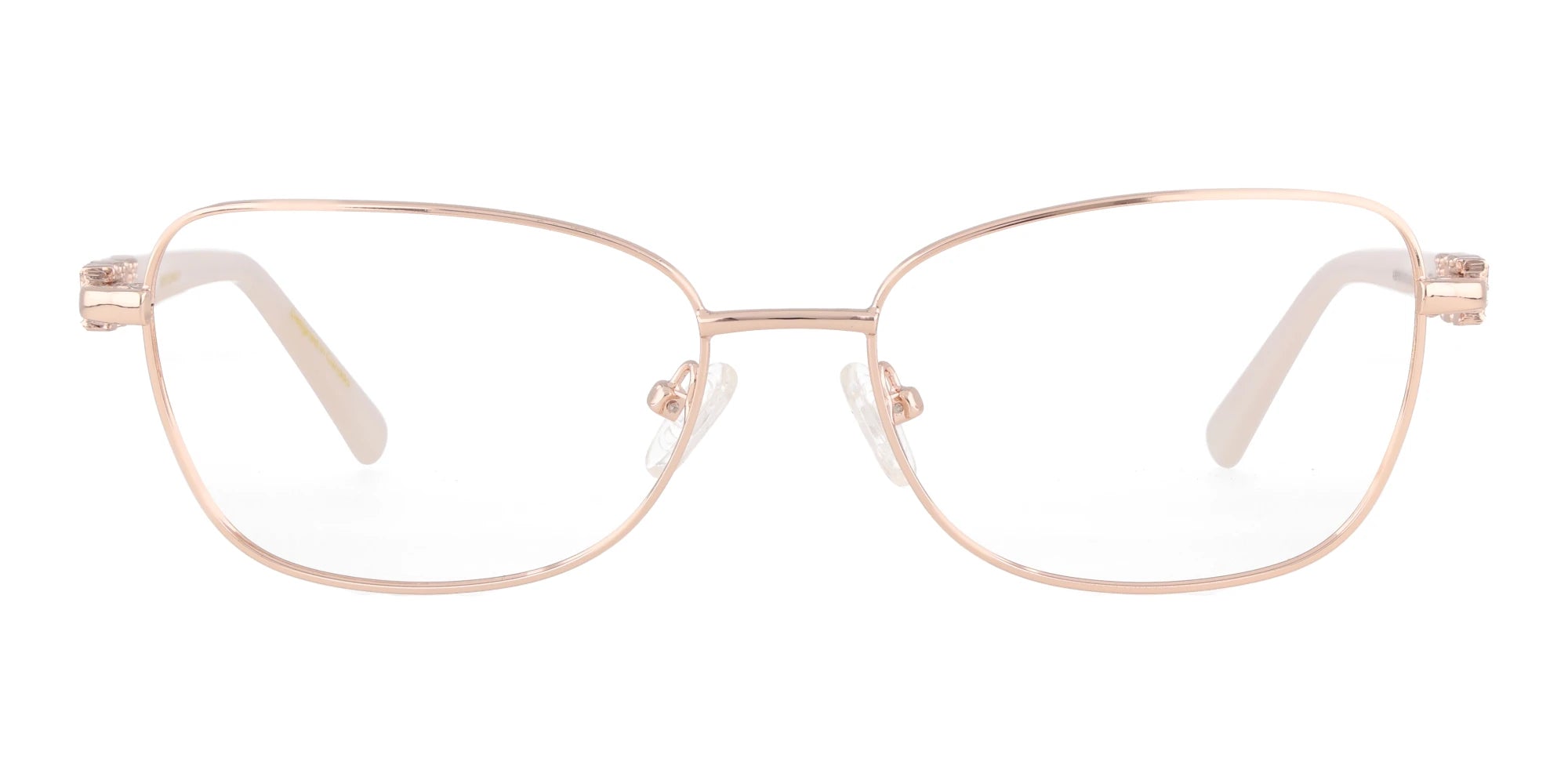
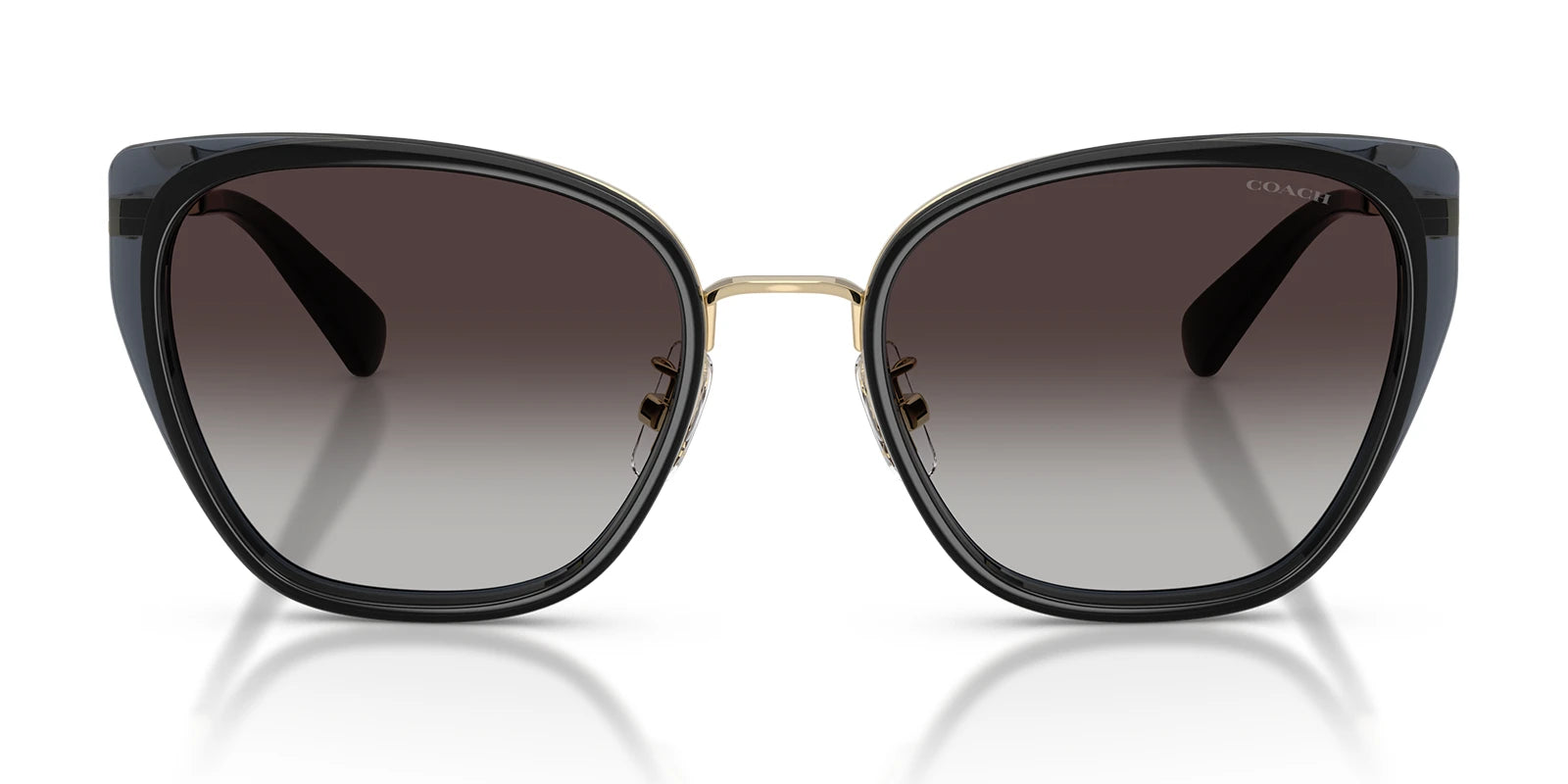
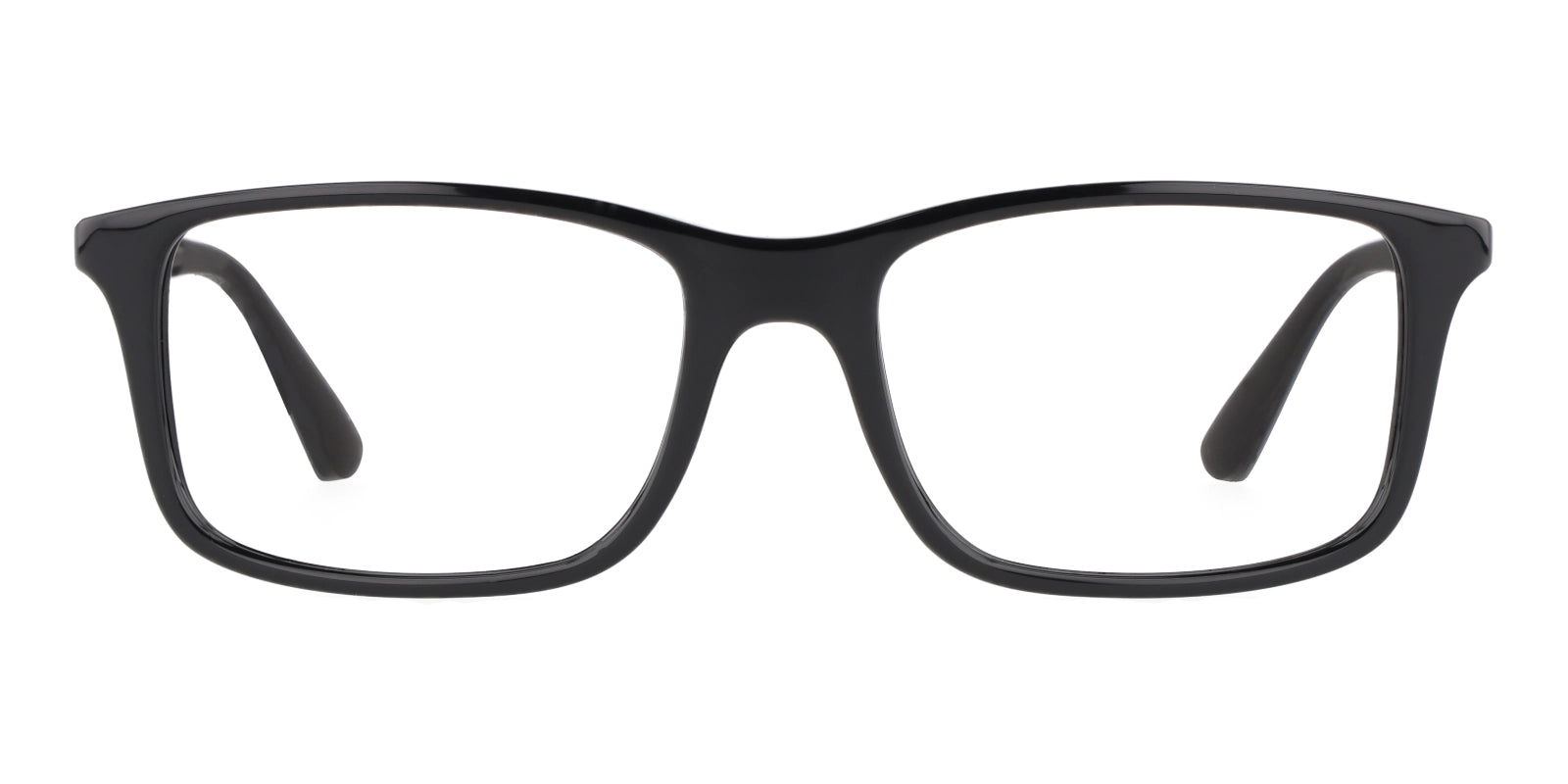


Understanding the steps to sunglasses purchase is more than style. The right fit should provide you with UV protection, comfort, unobstructed vision and appropriate lens options for your lifestyle. Prescription sunglasses can also help correct your vision and provide some sun protection; they can be a good option for everyday use and outdoor activities if you need vision correction.
What to look for when choosing sunglasses?
The key elements to consider for purchasing sunglasses are UV protection, lens type, fit, types of frame, and the purpose of the glasses. A pair that fits well should offer the right protection and be sufficiently comfortable to wear frequently.
When shopping for sunglasses, check for good information on UV protection and don't just take a darker and more expensive pair for granted. Health Canada states that the colour and cost of a lens does not reflect how much UV protection it gives.
Why UV Protection Sunglasses Matter
A UV protection sunglasses can help minimize the exposure of your eyes to the harmful UV radiation of UVA and UVB. Health Canada advises the use of sunglasses that shield from both UVA and UVB rays and reminds people that the sun can cause long-term damage to their eyes.
Always look at product information or labels for suitable UV protection when buying a product. Wraparound or close-fitting designs may also help to minimize stray light from entering from the side.
What kind of lenses should you buy for your sunglasses?
The lens technology may have an impact on comfort and visual performance.
Polarized lenses block the glare from surfaces like water, roads and snow, which are beneficial for driving and outdoor activities.
Photochromic lenses are lenses that will darken in the sun and lighten up when indoors. There are other lenses to offer various levels of clarity, durability, tint and comfort.
Prescription sunglasses are an excellent option if you require vision correction, as they can help you get both prescription and sun protection in one pair of sunglasses, so you don't have to keep switching between prescription and sunglasses.
Why are sunglasses important?
One of the most crucial questions to consider in any best sunglasses buying guide is: how should sunglasses fit?
An appropriately sized pair should:
-
Sit down in a relaxed position on the bridge of your nose.
-
Maintaining a stable position and not continuously sliding
-
Do not pinch nose or temples
-
Rest comfortably around your ears
-
Ensure you're covering enough without blocking your range of sight
A stylish frame that feels not-so-comfortable is not a good pick for everyday usage. When it comes time to purchase sunglasses, fit should also be taken into account, as well as appearance.
Choosing the perfect pair of sunglasses for your face shape.
You can use your face shape as a guide to help you select your frame, but don't rule it out. The most effective way to do this is to think about proportions, comfort, and style.
If you're looking for the best sunglasses for your face shape, you come across a variety of shapes, such as round, oval, square, heart-shaped, and oblong.
When it comes to choosing the best sunglasses for face shape male, try out frames that will form a nice contrast to your natural face shape. For instance, angular frames can create a contrast to soft facial lines, whereas rounded frames can complement more angular looks.
The same rule goes for finding out how to fit sunglasses on your face: They are not a strict necessity; they are a styling guideline.
Selecting the best sunglasses for the different activities
That's what you should take into account when choosing. Polarized sunglasses are helpful when glare from roads, water or snow is an issue. When you're wearing your glasses every day, opt for comfortable frames, UV protection, and lenses that offer clear vision.
Close fitting or wraparound frames may be used for outdoor activities for extra coverage. Driving - do not use lenses that make it difficult to see.
Sunglasses Buying Checklist
Before purchasing, check:
-
UV protection
-
Comfortable frame fit
-
Suitable lens type
-
Appropriate frame size
-
Clear, distortion-free lenses
-
If necessary, the prescription
-
Suitable style for your face shape
-
Designed for use and activities
Frequently Asked Questions
The first thing to consider when purchasing sunglasses is?
UV protection must be taken into consideration. When selecting sunglasses, look for good UVA and UVB protection, and factor in fit, type of lens, comfort and style.
But, do polarized sunglasses offer advantages?
Polarized lenses are not UV blockers but they can be helpful in decreasing glare from water, snow, and roads.
What should be the right fit of sunglasses?
They should sit comfortably on your nose and ears and not slip, pinch, or cause pressure points.
What type of sunglasses should I wear for my face shape?
Use your face shape as a reference point and then select a frame based on the proportion, comfort, coverage and preference.
Should prescription sunglasses be considered?
If you require vision correction, then prescription sunglasses can supply you with the prescription you need and also provide easy protection against bright sunshine.