


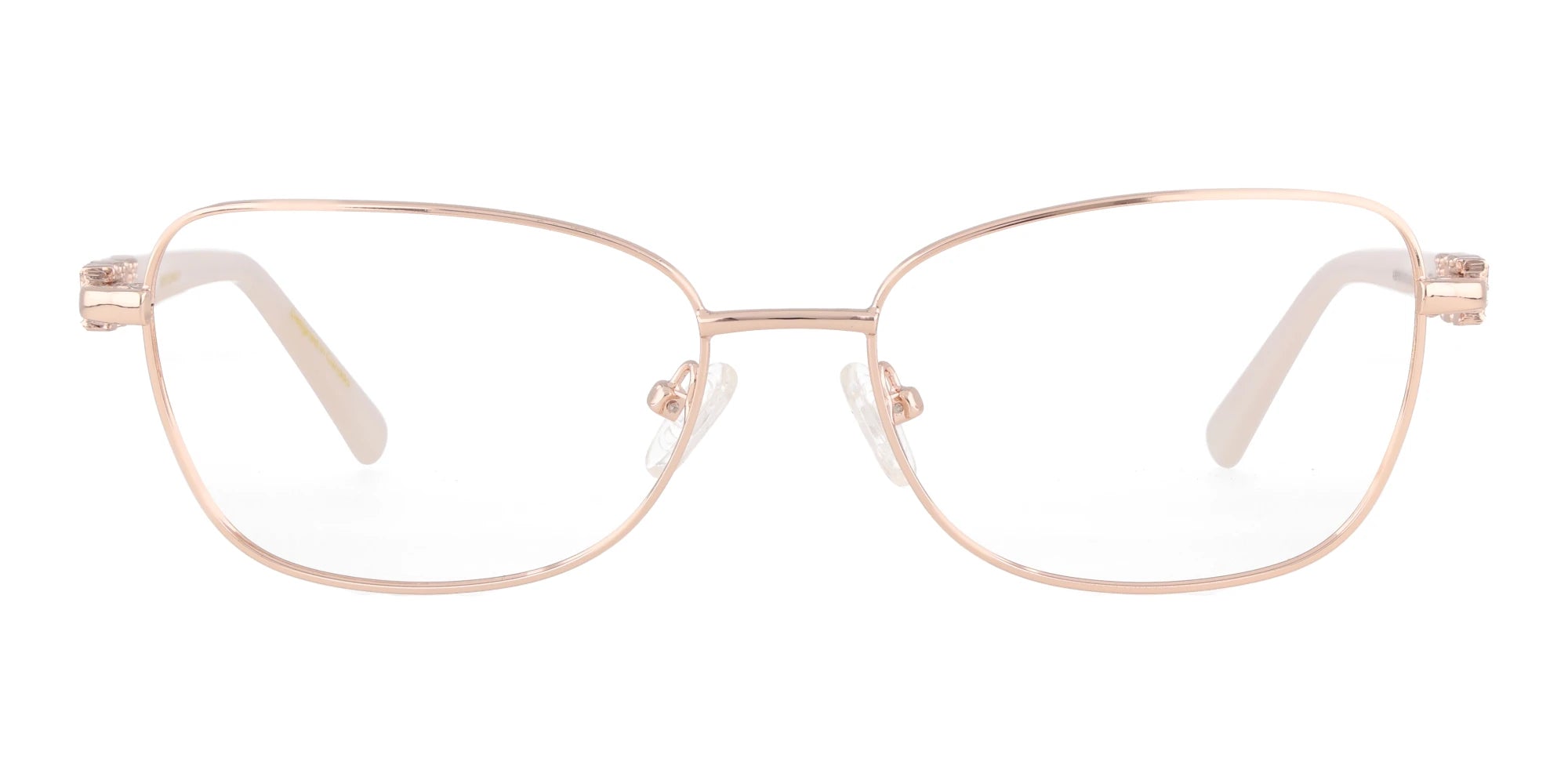
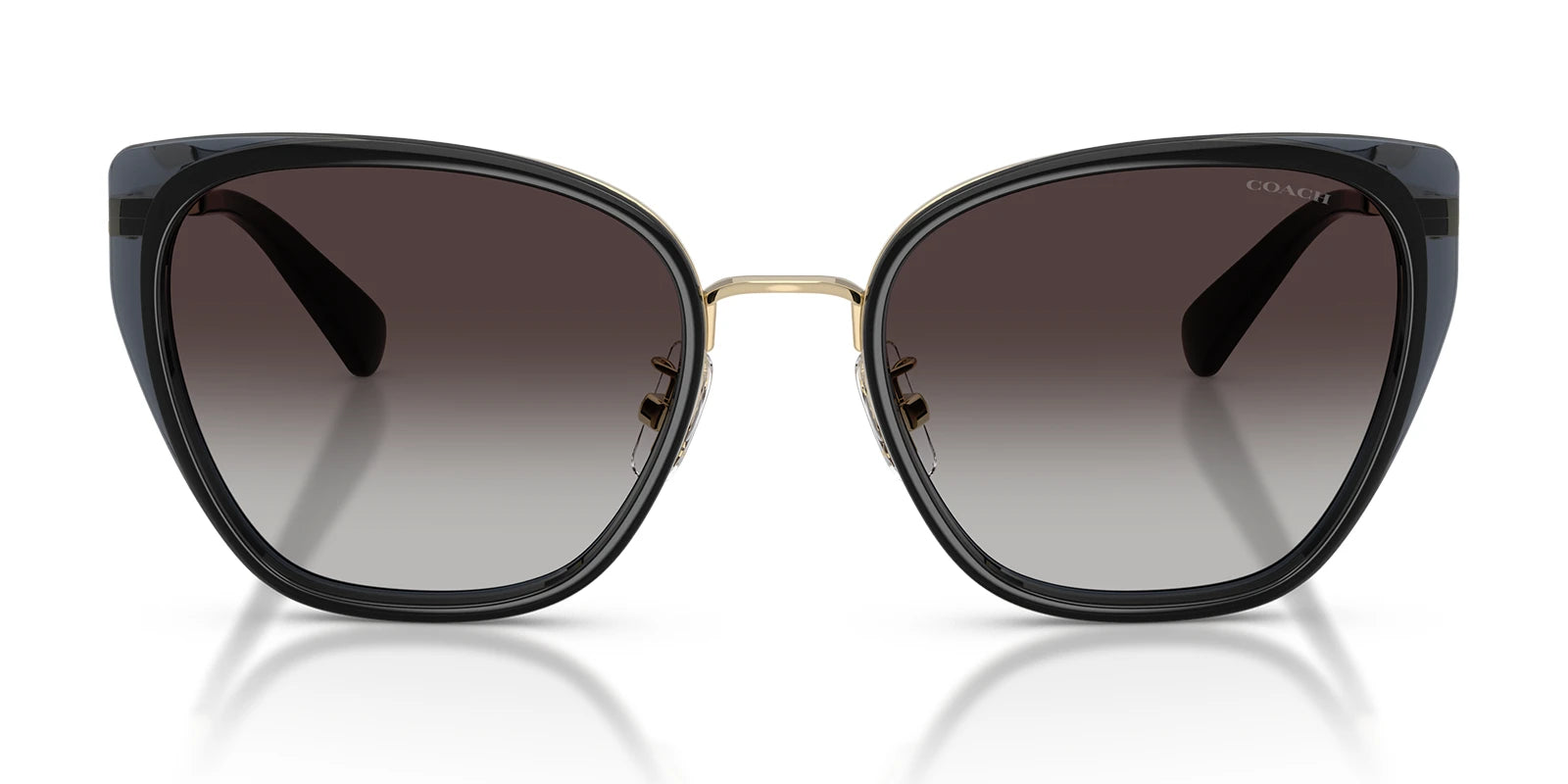
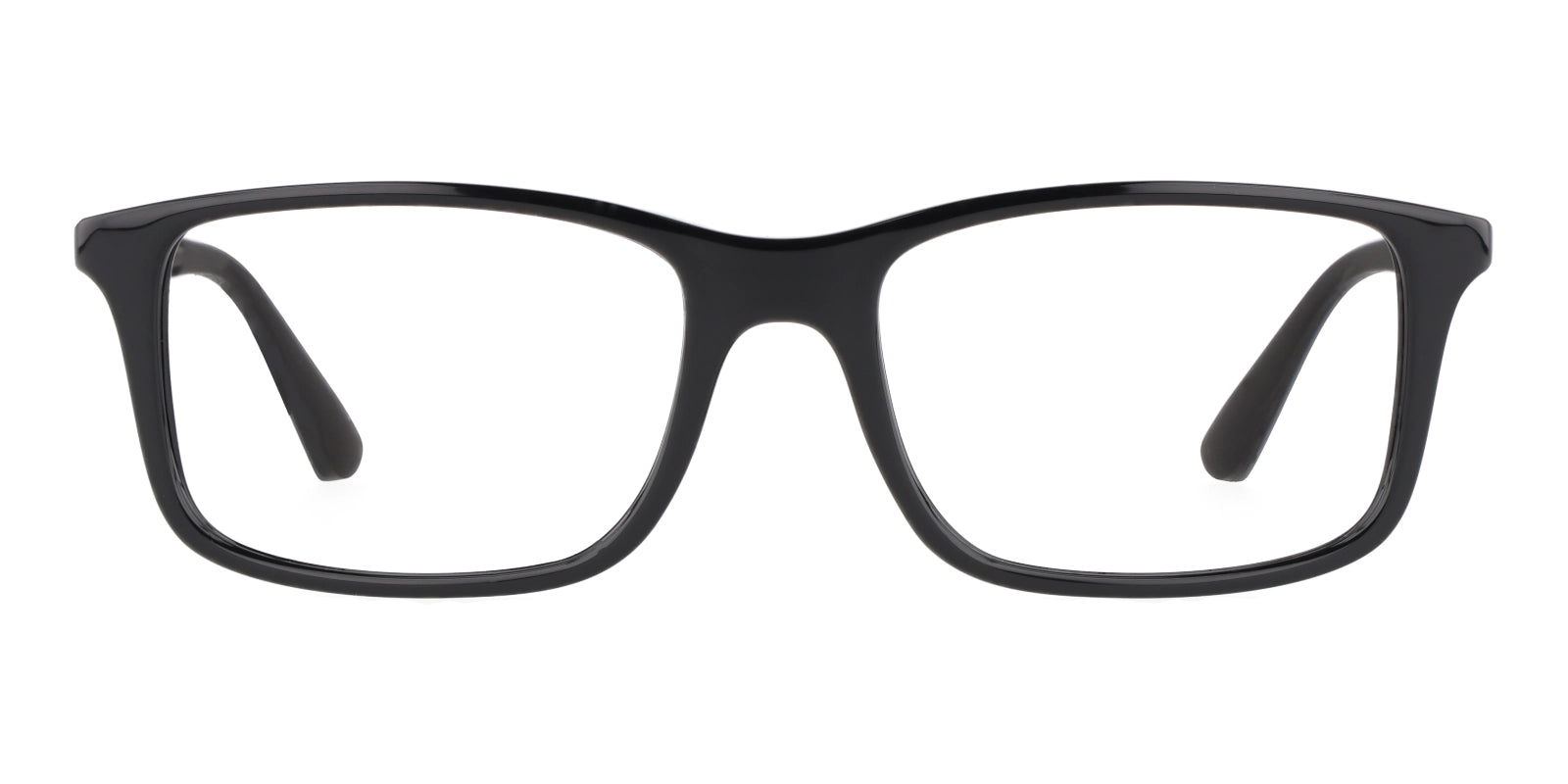


Polarized sunglasses carry a filter that blocks reflected light bouncing off water, roads and snow. Instead of dimming everything, they target glare specifically, which is why the view through them feels noticeably calmer and sharper.
How Polarized Lenses Turn Glare Into Clear Vision
Glare and polarization are two sides of the same physics. Understanding one makes the other click, and it explains why these lenses behave so differently from an ordinary tinted pair on bright and reflective days.
Where Glare Starts
Sunlight normally travels as light waves vibrating in all directions. When it hits a smooth surface like calm water or sheet metal, it reflects at one angle and becomes intense, concentrated light, known as glare.
The Filter Inside
Each lens holds a polarizing filter whose molecules line up in parallel rows, creating vertical openings like a miniblind. Vertical light slips through, while horizontally polarized light from glare is blocked, leaving details noticeably crisper.
From A 1930s Invention To Modern Lens Technology
Polarized sunglasses trace to Edwin Land, whose Polaroid filter reached sunglasses in the late 1930s. Before that, anglers and pilots had little defence against water and cockpit glare, so the idea spread through outdoor professions.
Today the polarizing film is laminated between lens layers during the manufacturing process, in polycarbonate, CR-39 or glass. Quality varies, though: well-made lenses block close to all horizontal glare, while cheaper film blocks noticeably less.
Polarized Lenses Compared With Standard Tints
Standard sunglasses use dyes and pigments that cut bright light evenly, with UV protection. They look exactly the same as polarized pairs on shelves, yet they reduce the intensity of everything rather than filtering glare.
With a non-polarized tint, glare still arrives with more intensity than surrounding light, so squinting simply continues. A full side-by-side breakdown sits in this polarized vs non-polarized sunglasses comparison for anyone weighing both options.
Everyday Benefits Beyond Simply Blocking Glare
Glare reduction is the headline feature, but the knock-on effects matter just as much. Comfort, colour, safety and eye health all improve in ways that only become obvious after a few weeks of regular wear.
Comfort And True Colour
Less glare means less eye strain, so eyes feel less tired or sore by evening. Improved contrast makes colours look vivid: green grass appears richer and blue skies deeper, a more accurate portrayal of colours.
Driving And Sport
Polarized lenses tame dazzle from wet road surfaces and shiny vehicles, a big plus on long highway drives; see these driving sunglasses picks. Cycling, watersports and archery also gain sports performance through quicker, clearer reactions.
Light-Sensitive Eyes
People who are sensitive to light find relief, including those with cataracts, uveitis or recovering from cataract removal and laser correction. Reduced glare lowers squinting, which is why eye doctors sometimes recommend polarization after surgery.
Moments When Polarized Lenses Work Against You
LCD screens often emit polarized light, so car dashboard controls, ATM cash machines, cell phones and some digital watches can look dark or patchy. Tilting the device or briefly lifting the glasses usually solves it.
Pilots and heavy machine operators reading instrument panels avoid polarization for critical work. Skiers may struggle to tell ice from snow, and some golfers feel polarized lenses make it harder to read greens when putting.
Glare Control And UV Protection Are Not The Same
A tag reading polarized says nothing about harmful ultraviolet rays. UV blocking and glare filtering are separate treatments, and polarized lenses will not protect eyes from UV damage any better than standard 100% UV lenses.
The safest choice combines both features, ideally rated UV400 protection for the highest level of protection. This guide to checking UV protection in sunglasses explains labels, ratings and how to confirm what a pair blocks.
Choosing A Polarized Pair That Fits Your Life
Polarized sunglasses are, at heart, a smarter filter: they remove the reflected light that tires eyes while leaving useful light alone. Paired with full UV protection, they suit nearly anyone who spends real time outdoors.
When choosing, match the frame style and face shape first, then always confirm the UV rating. A curated range of polarized sunglasses makes comparing shapes, from cat-eye sunglasses to square frames, genuinely simple and quick.
FAQS
Can They Be Worn All the Time?
For most outdoor hours, yes. It is not a good idea for screen-heavy or high-risk tasks, and night driving calls for no tint at all. Otherwise, wearing them all the time outdoors is perfectly reasonable.
Can Prescription Lenses Be Polarized?
Yes. Most single vision and progressive prescriptions can be made as polarized prescription lenses, and clip-on polarized lenses suit people who prefer keeping normal glasses. Either option avoids juggling two separate pairs on sunny days.
Are They Worth the Price?
For anyone who drives, fishes or spends long hours near water or snow, they are usually worth the price tag. They alleviate eye strain and give clearer vision, though the call remains a personal preference.